Japan’s stockpiles of the rare earth element yttrium are sufficient for only a few months, prompting the country to seek U.S. assistance in persuading China to ease its export controls. On the 21st, Chinese Foreign Ministry spokesperson Mao Ning stated that China’s export controls on Japan are implemented in accordance with laws and regulations, with the objective of curbing Japan’s “remilitarization” and its ambitions to acquire nuclear capabilities. She emphasized that China remains committed to maintaining the stability and security of global supply chains for critical minerals, and that all parties bear a responsibility to play a constructive role in this regard.
Amidst ongoing tensions in Japan-China relations, the Financial Times—citing informed sources—reported that Japan’s yttrium reserves are expected to last only a few months. Japan has reached out to the U.S. government and several American companies, hoping the U.S. will urge China to relax its export restrictions on rare earths to prevent disruptions in sectors such as automotive manufacturing, jet engine production, and the semiconductor industry.
Japanese officials have warned that unless China adjusts its policies—or Western nations manage to secure alternative sources and increase their own stockpiles—Japan could face supply shortages as early as the end of this year, making it critical to determine how to sustain operations through next year.
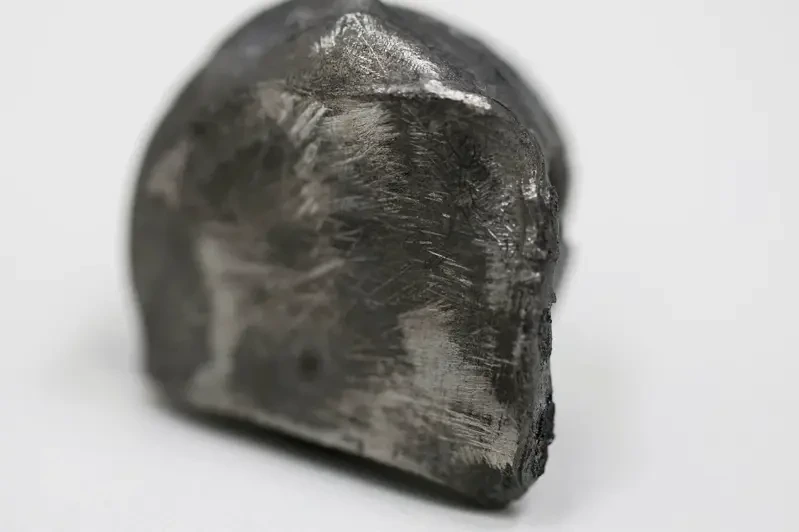
Yttrium is a heat-resistant metal widely used in coatings for jet engines and for the plasma-etching chambers employed in semiconductor manufacturing; it is essential to the automotive, aerospace, and chip-production industries.
The report notes that the scarcity of yttrium has become a major challenge for Japanese materials firms. Furthermore, the U.S. defense supply chain relies on components produced in Japan that contain yttrium; therefore, any disruption in supply could negatively impact industries in both nations.
A Japanese government official indicated that the country is facing a dire situation in maintaining supplies for downstream industries. With inventories steadily dwindling, there are clear limits to how much the consumption of these rare earth resources can be reduced. The official pointed out that the current timeline is measured in months rather than years, necessitating a strategy to survive through next year. He added that if all parties take action promptly, the issue could still be resolved; otherwise, it risks escalating into a systemic risk for the global economy.
The tightening of supply is also reflected in rising prices. According to data from Argus, an international energy and commodity price assessment agency, the price of yttrium oxide outside of China has climbed to $1,150 per kilogram—a 179-fold increase compared to two years ago—while the domestic price within China stands at approximately $9 per kilogram, representing a significant price gap between the two markets.